
Insights · Carbon reporting
TM65: how to report on embodied carbon effectively.
Embodied carbon in MEP equipment is substantial and historically hard to measure. TM65 exists to fix that — and TM65.2 sharpens it for lighting.
Core principle
Most of a luminaire's carbon is locked in the moment it is made. What you do at end of life decides whether it is repeated.
The basics
What is embodied carbon?
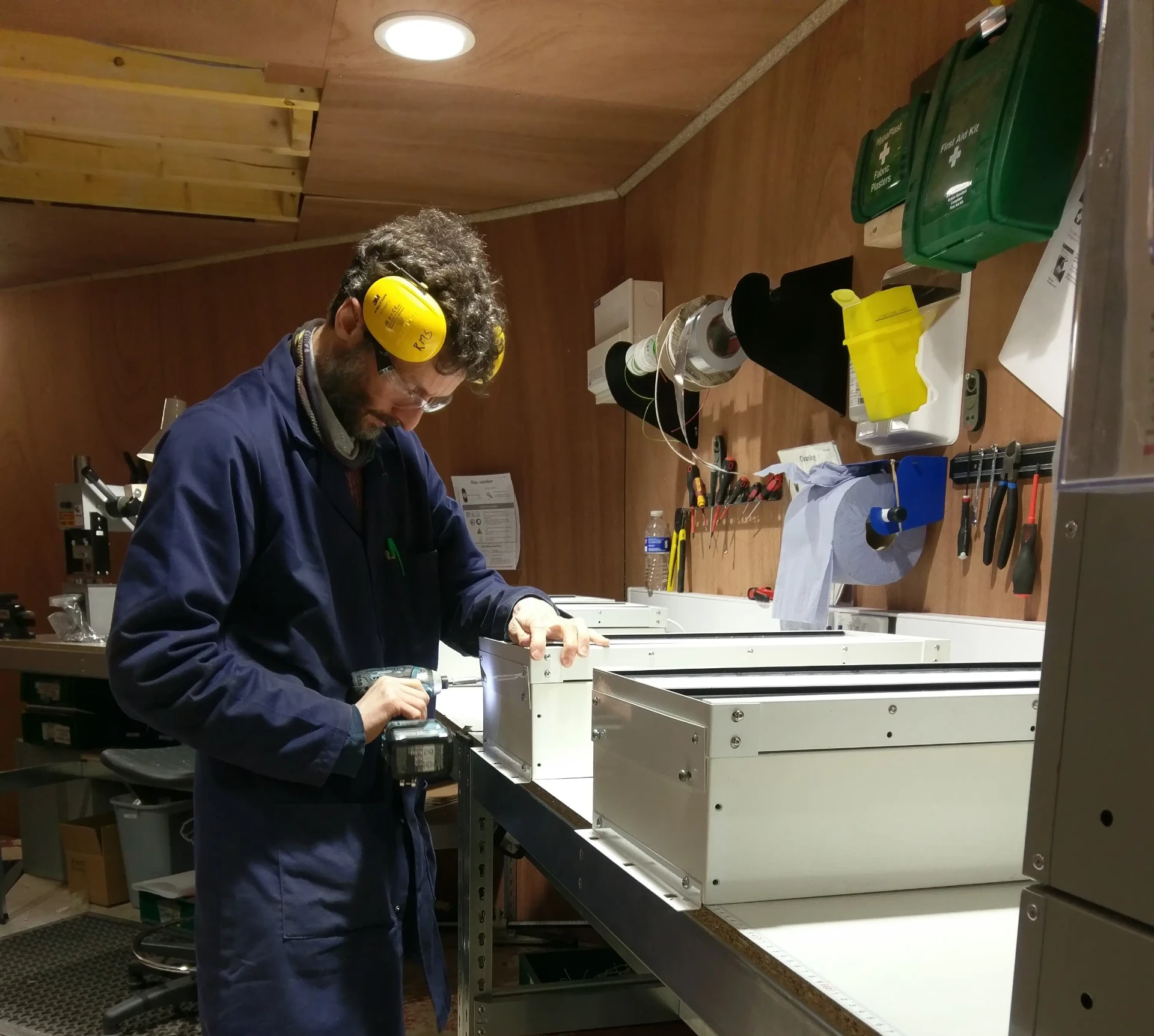
Embodied carbon is the greenhouse gas emissions generated in creating a product — the raw materials, the manufacturing, the transport, the installation, and eventually its end-of-life treatment.
It matters because most of those emissions are locked in the moment a product is made, regardless of how efficiently it runs afterwards. Ignore it, and a genuinely low-carbon choice can get missed in favour of one that just looks efficient on paper.
How TM65 works
A cradle-to-grave estimation methodology.
TM65 accounts for emissions across the stages of a product's life. For most lighting products, the product stage — extracting and processing raw materials — is the largest share by a wide margin.
- 01
Materials
The raw materials extracted and processed to make the product.
- 02
Manufacturing
The energy and process emissions of building the product itself.
- 03
Transport
Moving the finished product to the point of use.
- 04
Installation
Emissions attributable to fitting the product in place.
- 05
End of life
Treatment once the product leaves service — reuse, recycling or disposal.
Why end of life matters
Remanufacturing keeps the housing, metalwork and gear tray in service — avoiding a re-run of the most carbon-intensive stage entirely. Recycling recovers materials but downgrades them, sending metals back to the start of the extraction chain. Both beat landfill; they are not equivalent. Recycling is the last resort, not the first response.
TM65 vs EPDs
Accuracy traded for accessibility — deliberately.
TM65 and Environmental Product Declarations (EPDs) both assess a product's environmental impact, but they are not the same instrument. TM65 is a standardised, simplified estimation method, designed to be usable when no EPD exists. An EPD is a full life cycle assessment (LCA) built to international standards — more rigorous, but also more expensive and slower to produce. For lighting, only a small fraction of products on the market have a published EPD at all.
The trade-off is deliberate, and TM65 is upfront about it. A tool designed for use before a full assessment exists should overestimate rather than flatter.
TM65.2 — the lighting edition
A sharper tool, written for lighting.
TM65.2, published in 2023, refines the original methodology for lighting products specifically — and is designed to complement TM66, CIBSE's circularity assessment for luminaires.
Lighting-specific coefficients
Embodied carbon factors calibrated for the materials luminaires are actually made from.
A simpler calculation process
Streamlined for lighting products rather than generalised MEP equipment.
Lighting-written guidance
Authored by contributors from the lighting industry, not adapted from HVAC.
Updated material database
Built from case studies with luminaire manufacturers, refreshed for current products.
In practice
How EGG Lighting uses TM65.2.
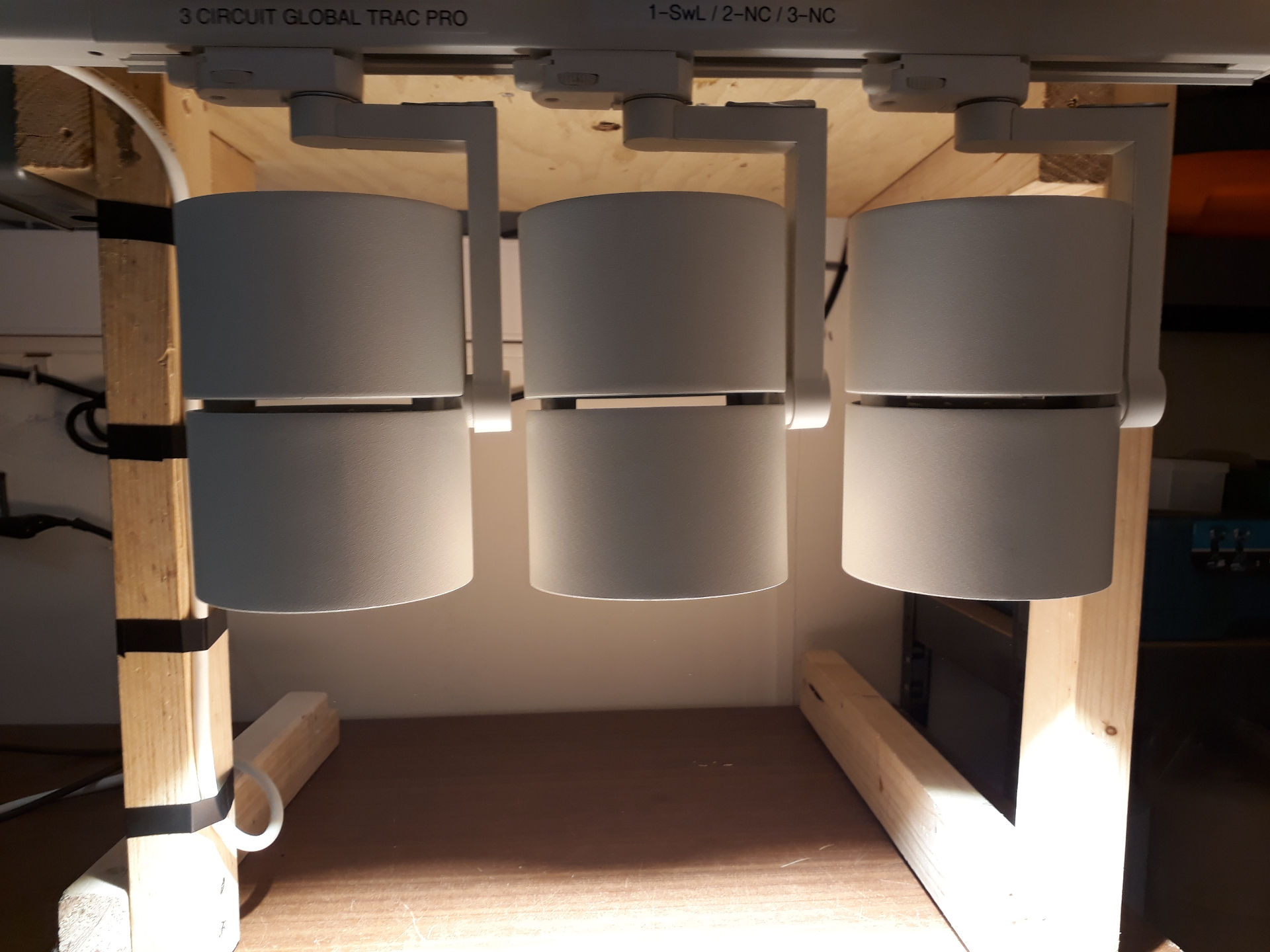
We apply TM65.2 as the carbon instrument in our Lighting Decision Audit — a conservative, consistent basis for comparing the embodied carbon of retaining, remanufacturing or replacing a fitting. We use it as it is intended to be used: a defensible, repeatable estimate a client can act on, not a certified LCA we ask them to take on faith.
The pattern holds across the fittings we assess: remanufacturing carries a fraction of the embodied carbon of a new equivalent, because it avoids re-running the most carbon-intensive stage of the product's life.
Want to see the embodied carbon case for your own fittings before you commit to anything? We will show you the carbon numbers alongside the cost ones.
Conversation, not tender
Start with a conversation.
No tender process required. No sales pressure. A straight answer about what your estate is worth.